Ancestry DNA test
Discover where your ancestors come from! With the tellmeGen ancestry DNA test, you will know how your ancestry is distributed among 93 reference populations worldwide, your maternal haplogroup, your paternal haplogroup, and your percentage of Neanderthal DNA.

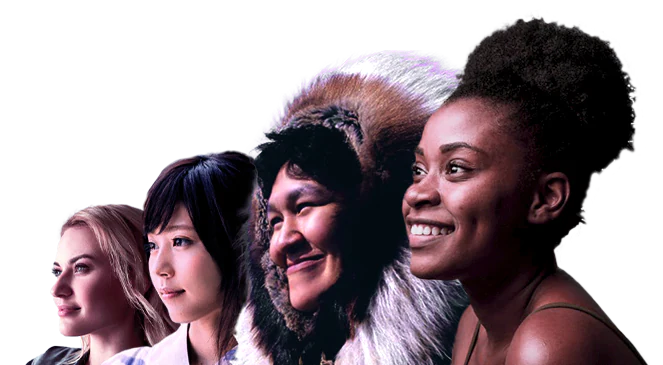
What do we do in our DNA test to know your origins?
To estimate your ancestry, we analyze variants in your autosomal DNA, which you inherit in equal parts from your father and mother. These are single-letter variants, known as SNPs (single nucleotide polymorphisms). They are very useful for studying ancestry because their frequency varies from one population to another.
Phase 1: Quality control of your genetic data
Once your genetic ancestry analysis sample has been analyzed, your genetic data undergoes strict quality control: only markers that pass it are used. This way, we reduce potential deviations in calculations and obtain more reliable results.
Phase 2: comparison with 93 reference populations
Next, we compare your variants with a broad database of thousands of reference individuals, belonging to 93 populations spread across 7 major regions: Europe (36), Africa (9), West Asia (14), Central and South Asia (9), East Asia (17), Oceania (3), and America (5). Our latest update further breaks down reference populations into more specific regions, to give you a more detailed result.
The quality of the reference populations is key in ancestry calculation. To build them, our bioinformatics team has used genetic data from different geographical areas, including that of tellmeGen users who have given their consent for this use, and has analyzed them with bioinformatics and statistical tools, with their corresponding quality controls. With this methodology, our algorithm better distinguishes the populations that make up your genetics and reduces errors inherent in statistical inference.
Phase 3: your ancestry report
The result is a report with your genetic makeup expressed in percentages, divided among reference populations and organized by geographic regions. These percentages are an estimation: they show which current populations your DNA most closely resembles, they do not define your nationality or identity. They may vary slightly when we update the reference populations or the algorithm.

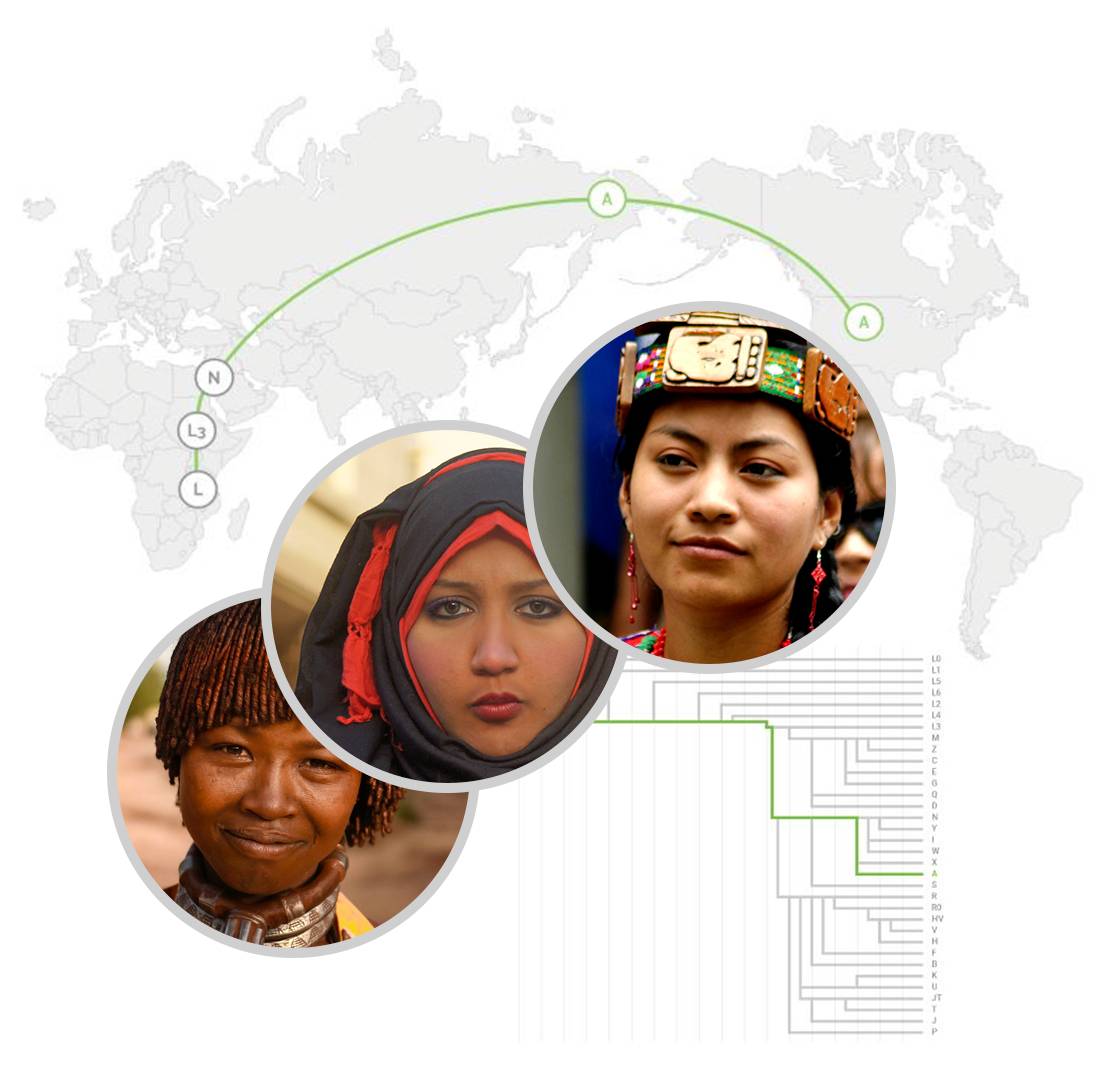
Trace and discover your maternal haplogroup
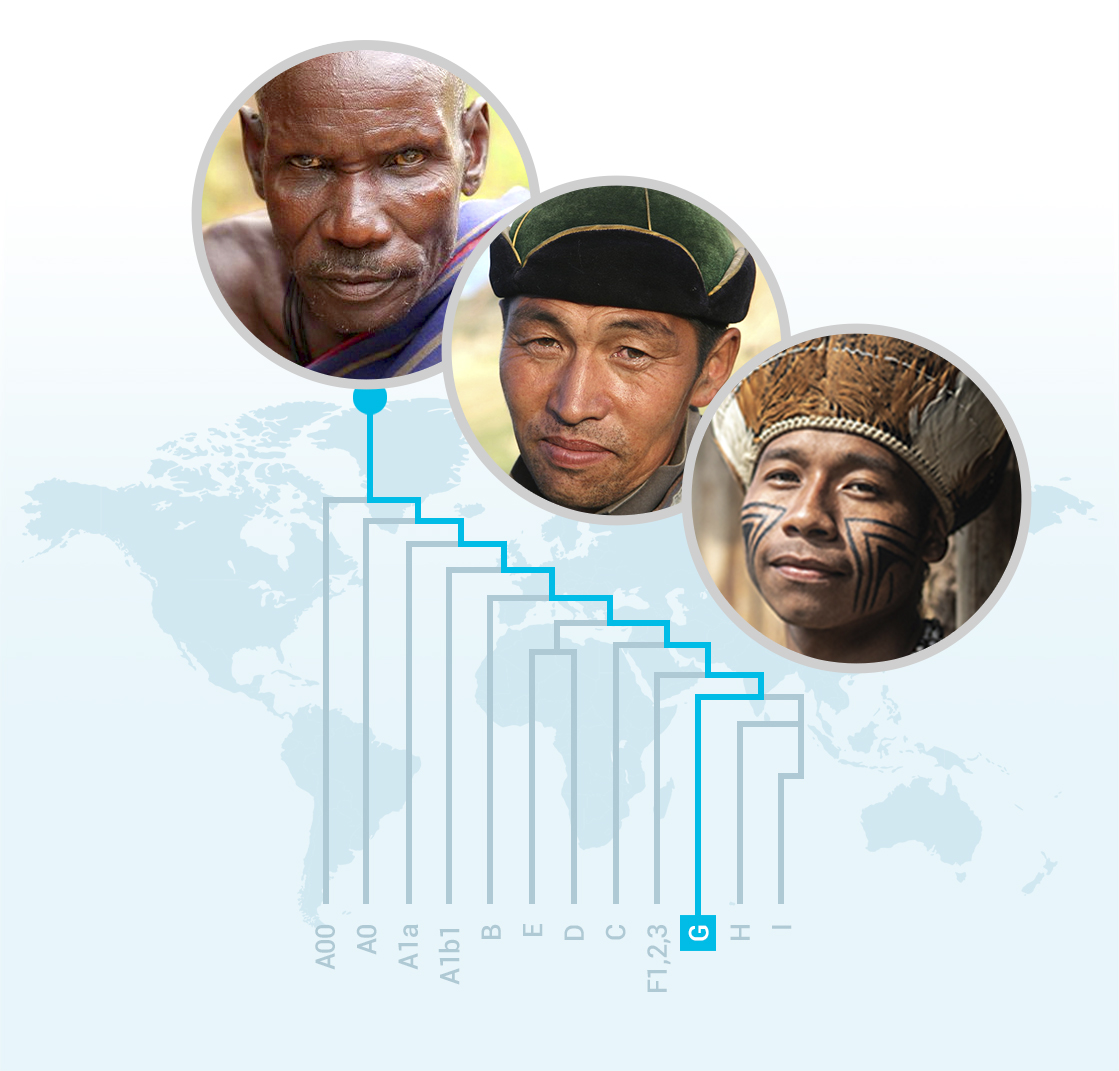
Trace and discover your paternal haplogroup
It is important to note that the paternal haplogroup can only be obtained from males. If you are born female, a sample from your father or a male sibling is necessary, as this information is only extracted from the Y chromosome. However, this is independent of the other results related to your ancestry, which are obtained by analysing your genetic information from both your father and your mother.
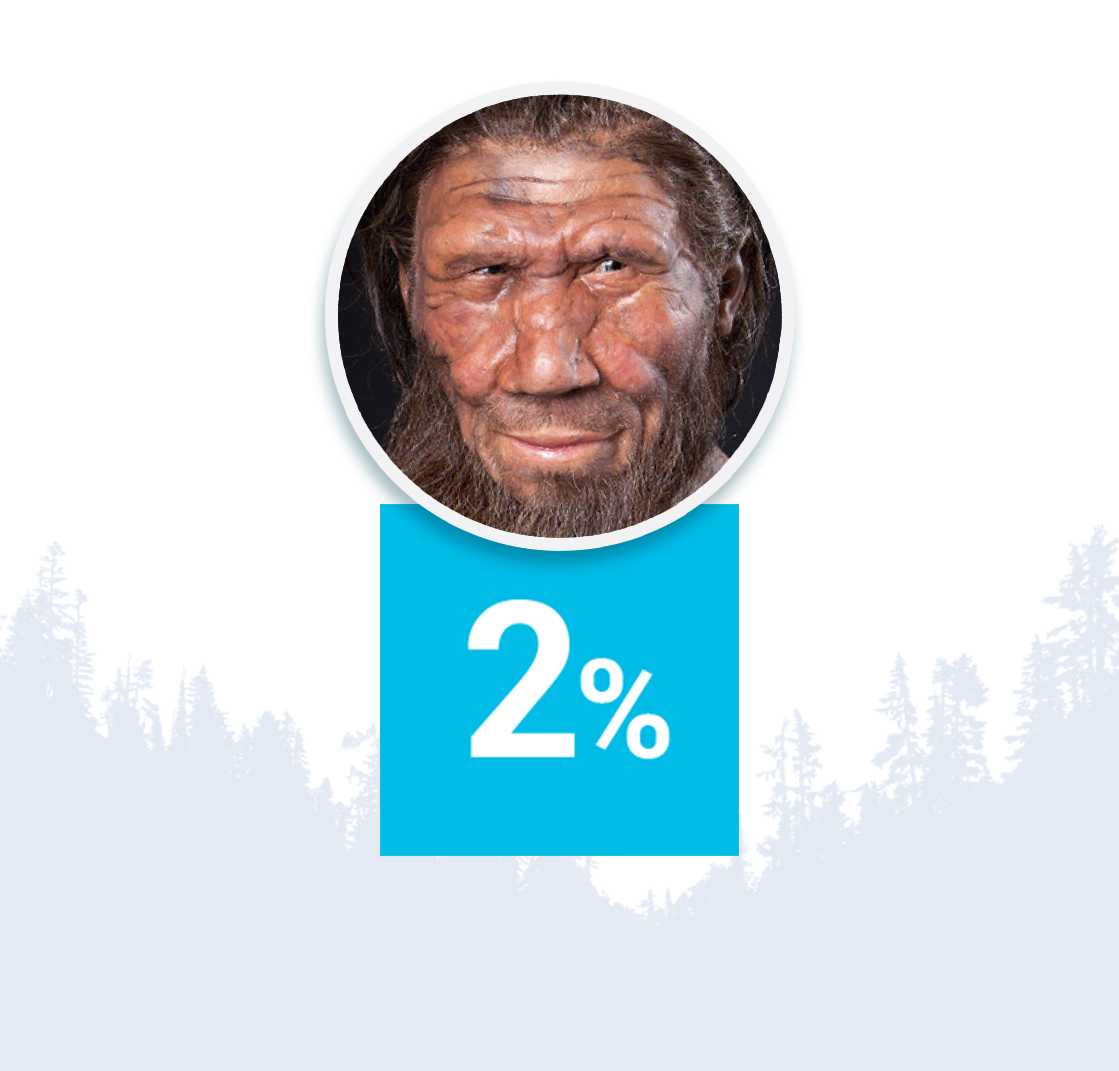
Know your Neanderthal DNA percentage
Did you know that people of non-African descent retain, on average, around 2% Neanderthal DNA?
It is the trace of the crossings between Neanderthals and our species, Homo sapiens, when both coexisted in Eurasia.
Neanderthals emerged about 400,000 years ago and inhabited Europe, the Middle East, and Central Asia. They had a stocky build, weighing about 60 to 80 kg, short limbs, a wide pelvis, and a robust skeleton that indicates highly developed musculature.
For a long time it was thought that their diet was based on meat, but more recent studies show that it was varied and adapted to their environment. They mastered fire, which they used for cooking, and probably resorted to some plants for medicinal purposes.
Neanderthals disappeared about 40,000 years ago. Most studies suggest that the expansion of Homo sapiens from Africa decisively contributed to their disappearance, although both species interbred before, which is why part of their DNA remains in us.
Do you want to know how much Neanderthal DNA you have?
Discover it with our ancestral genetic analysis!
Reference populations in our ancestry DNA test
The tellmeGen reference database includes thousands of individuals from 93 populations spread across 7 major regions: Europe (36), Africa (9), Western Asia (14), Central and South Asia (9), East Asia (17), Oceania (3), and America (5). These are their stories.
Europe
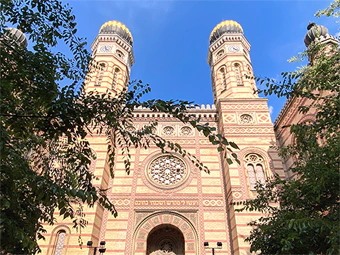
The genetic profile of Ashkenazi Jews tells the story of a diaspora community that formed in Central and Eastern Europe, but whose deepest roots lie in the ancient Iron Age peoples of the Levant. Their genetic profile reflects this dual heritage: an ancestral base from the Near East, shared with other Jewish populations, which mixed with the local European populations where their first communities settled. A key event in their history was a severe population bottleneck in the Middle Ages, where a group of as few as a few hundred founder individuals gave rise to the majority of the present-day Ashkenazi population.

Sardinia is an island located in the center of the Mediterranean Sea, and it represents a direct genetic window into prehistoric Europe. Sardinians are considered by geneticists to be the closest present-day population to the first Neolithic farmers who expanded across Europe from Anatolia about 8,000 years ago. The reason for their uniqueness lies in their relative isolation; unlike mainland Europe, the island of Sardinia received minimal genetic impact from the massive Bronze Age steppe migrations that did transform the rest of the continent. This profound genetic continuity from the Neolithic period allowed for the flourishing of the enigmatic Nuragic civilization, builders of thousands of stone towers. Subsequently, the island was not completely isolated: later colonizers such as the Phoenicians and Romans, and later the maritime powers of Pisa and the Crown of Aragon, left their own genetic imprint, albeit more subtly and mainly in coastal regions. Therefore, Sardinian genetics tell a direct connection to the peoples who introduced agriculture to Europe, enriched by later layers of Mediterranean history.
America
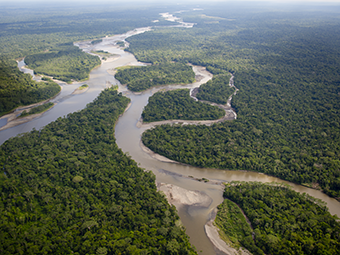
This ancestry delves into the heart of the Amazon, connecting with the profound history of the original peoples who have inhabited this vast and diverse region for millennia. Peoples such as the Karitiana and the Suruí, from the Tupí language family in Brazil, present a history of relative isolation that has made their DNA a key scientific reference for understanding the ancestral history of the first settlers of South America. The genetic profile they represent is a pillar for identifying the heritage of the numerous peoples who adapted and expanded throughout the Amazon basin. Although each Amazonian people possesses a unique identity, they all share a deep ancestral connection that distinguishes them as one of the main branches in the genealogical tree of Native Americans.

Distributed throughout the northern part of the American continent, there is the population formed by the native Pima people. It is an ethnic group that currently has a few hundred inhabitants of purely Pima genetics. The first region inhabited by this people was western Canada, and from there it expanded to occupy a large part of the continent. Genetically, it has been verified that the Pima descend from the first inhabitants of the American continent, who came from eastern Asia.
Oceania
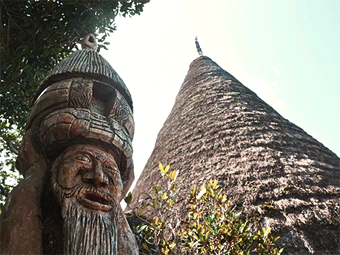
The Melanesia region tells the fascinating story of the encounter between two of the greatest human expansions in Oceania: the first inhabitants of the glacial era and the later Austronesian navigators. The oldest genetic substrate of these islands was established by the descendants of the first humans who colonized the ancient continent of Sahul more than 50,000 years ago, bearers of a unique Papuan heritage. About 3,500 years ago, a new wave of Austronesian-speaking migrants, associated with the Lapita archaeological culture, arrived in Melanesia from the west, bringing with them new technologies. The genetic profile of modern Melanesians is the direct result of the mixture between these newcomers and the pre-existing Papuan populations, creating a gradient of ancestry that is unique to each archipelago and tells the story of the peopling of the entire Pacific.
Africa
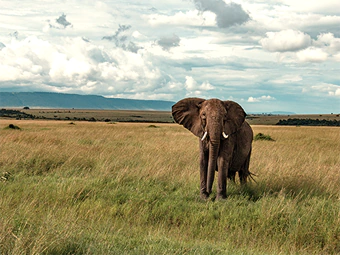
Unlike the more isolated hunter-gatherer lineages, East African populations reflect that this territory has been a millennial meeting point between peoples of Africa and Eurasia. Their most distinctive genetic characteristic is a deep fusion, which occurred thousands of years ago, between native African peoples and a major migration of farmers who returned to Africa from the Near East, an event that profoundly marked the populations of the Horn of Africa, such as the Ethiopians and Somalis. Superimposed on this unique substrate were other major African migrations: the expansion of Nilo-Saharan-speaking pastoralists from the Nile Valley, ancestors of peoples such as the Maasai, and the arrival of farmers from the Bantu Expansion from the west. Therefore, this ancestral profile represents a unique tapestry, woven with the threads of an ancient Afro-Eurasian mix and the subsequent dynamics of the great families of peoples of Africa, creating a diversity that distinguishes it from other regions of the continent.
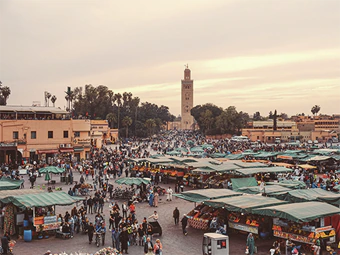
The Maghreb region, in North Africa, has its origin deeply rooted in the Imazighen (Berber) peoples, the indigenous inhabitants of the region since prehistoric times. The first major event that shaped its genetic profile was the arrival of Neolithic farmers from the Near East, whose descendants also populated southern Europe, establishing an ancient genetic link across the Mediterranean. Subsequently, the Arab expansion of the 7th century introduced a new and decisive genetic and cultural component from the Arabian Peninsula, merging with the local population. Therefore, the genetic profile associated with the Maghrebi region is a rich mosaic, with an indigenous Imazighen base transformed by these great migrations and enriched by millennia of trade across the Mediterranean and the Sahara.
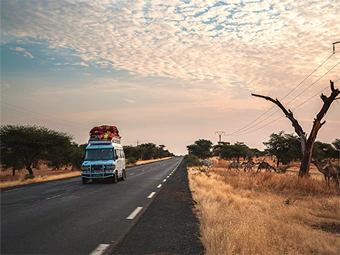
The Senegambia region in West Africa was the cradle of great empires that flourished long before contact with Europe. The ancestry of the populations of this region is deeply linked to Mandé-speaking peoples, such as the Mandinka, who were the architects of influential states, including the vast and prosperous Mali Empire in medieval times. The genetic profile of this region was forged on a millennial foundation of West African farmers, whose successful adaptation and social organization enabled the development of these complex societies.
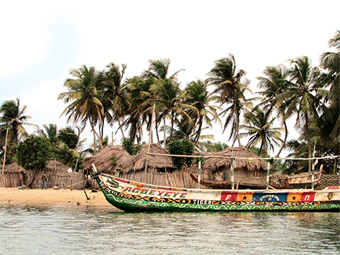
In the heart of West Africa, the region where we now find Nigeria and Ghana was the cradle of some of the continent's most sophisticated urban and artistic societies, such as those of the Yoruba and Esan peoples. It is deeply linked to the great kingdoms and city-states that flourished here, such as the Oyo Empire and the Kingdom of Benin, and to the spiritual and artistic center of Ife, famous for its incomparable bronze art. The genetic profile of this region was forged on an ancient base of West African farmers, whose prosperity and dense population allowed for the emergence of these advanced political structures. Their profound cultural influence spread throughout the region and, through the diaspora, throughout the world.
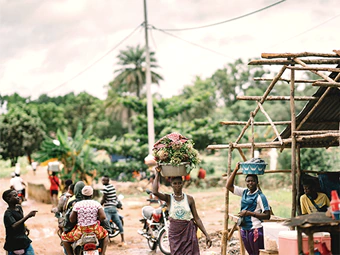
The coast of West Africa, in the region that today encompasses Sierra Leone and Liberia, is home to an area of forests and savannas that has been home to Mandé-speaking peoples for centuries. The ancestry of this region is strongly linked to the Mende people and their relatives, whose ancestors migrated to this coastal region from the interior, bringing with them their rich agricultural and social traditions. The genetic profile of this population was forged from the fusion of these Mandé migrants with the older indigenous groups of the forest region, in a history framed by the domestication of African rice.
Central and South Asia

Between South and Southeast Asia lies a region encompassing Bengal, Bangladesh, and Northeast India, which has served as a bridge for ancient migrations. The oldest genetic substrate in this area was established by Austroasiatic-speaking peoples, considered among the region's earliest farmers. Superimposed on this foundation were two major migratory currents: the expansion of Indo-Aryan-speaking peoples from the west, which formed the core of the Bengali people, and migrations of Tibeto-Burman peoples from the north and east, who populated the hills of Northeast India. Therefore, this genetic profile represents a continuum that uniquely blends South Asian and East Asian ancestry, reflecting the region's history as an age-old meeting point.
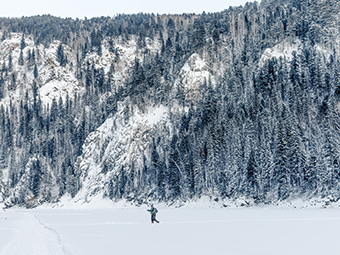
Central Asia is a territory with a large number of ethnic groups, distributed mainly in five countries: Kazakhstan, Kyrgyzstan, Tajikistan, Turkmenistan, and Uzbekistan. The origin of this population dates back to the Indo-Iranian and Turkic expansions that took place centuries ago. As a consequence, today Central Asians share a high degree of genetic similarity with the peoples of Western Asia.

Northwestern India, in the historic region of Gujarat, was a hub of the Indus Valley civilization and a gateway for subsequent migrations. The genetic profile of these people is the result of the fundamental admixture of two major ancestral groups: the indigenous inhabitants of the subcontinent, related to the Indus Valley builders, and the Indo-Iranian speaking herders who arrived from the Central Asian steppes in the Bronze Age. The proportion of these two ancestries varies among communities, but the steppe component is often prominent in groups such as the Brahmins. To this dual heritage is added the legacy of millennia of maritime trade along the coasts of the Arabian Sea, which further enriched the genetic and cultural tapestry of this region.

Southern India and Sri Lanka is a region that harbors some of the oldest and most continuous genetic lineages in all of Eurasia. Its main ancestral component comes directly from the first modern humans who arrived in the Indian subcontinent tens of thousands of years ago, also known as South Asian hunter-gatherers. This lineage formed the basis of the Dravidian-speaking populations that have dominated the region for millennia. Unlike northern India, the genetic impact of later Indo-Aryan migrations from the Central Asian steppe was significantly less here, which helped to better preserve this ancestral profile.
East Asia

The ancestry of the populations of the Japanese archipelago tells a story of fusion between an ancient hunter-gatherer people and a later wave of farmers from the Asian continent. The oldest genetic base was established by the Jōmon people, the indigenous inhabitants of the islands for millennia, whose genetic legacy is preserved in its greatest proportion in the Ainu people of northern Japan. Around 3,000 years ago, the arrival of the Yayoi people from the Korean Peninsula introduced rice cultivation and a new and dominant East Asian genetic component, which mixed deeply with the Jōmon population. Most present-day Japanese (the Yamato people) are the result of this ancient integration.

The Korean Peninsula tells the story of the fusion of ancient hunter-gatherer peoples with a wave of migrant farmers. The deepest genetic substrate comes from lineages of Northeast Asia, related to the peoples of the Amur River basin, over which was superimposed the influence of the first millet farmers of the Liao River region. The mixing of these two groups during the Bronze Age was the key event in the formation of the Korean people. Subsequently, a history of relative geographic isolation resulted in low admixture with other populations, which has made the Korean genetic profile one of the most homogeneous in Asia today.
Western Asia
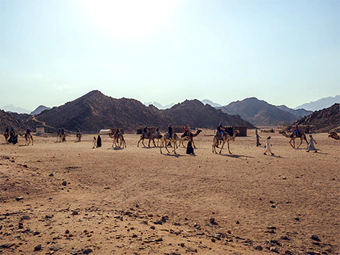
Bedouin peoples, nomadic herders whose ancestral home is the vast deserts of the Arabian Peninsula and the Near East, tell a story that dates back thousands of years before the Islamic era. Genetically, Bedouins are of exceptional interest, as they are considered the most direct modern representatives of the ancient pastoralists and hunter-gatherers of Arabia. It was these desert tribes who, in the 7th century, carried the Arabic language and culture out of the peninsula, spreading their genetic component throughout North Africa and the Levant. Although all Bedouin groups share this deep Arabian root, their wide distribution has created diversity among them, with some groups showing affinities with neighboring populations.
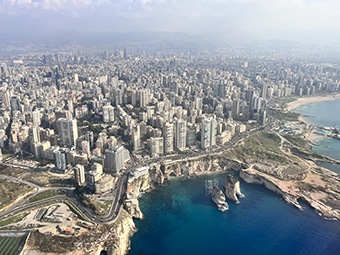
The Druze comprise a unique ethno-religious community originating in the Levant, where they were established in the 11th century from a branch of Ismaili Islam. Shortly after its founding, the community closed its faith to new converts and established a strict practice of endogamy; this decision, maintained for nearly a thousand years, has made them one of the world's most distinctive "genetic isolates." As a result, their genetic profile is an extraordinary window into the populations of the Levant from the medieval era, showing remarkable homogeneity among Druze communities in different countries of the area, such as Syria or Lebanon. Therefore, this heritage tells a story of exceptional cohesion, in which the preservation of a unique cultural and religious identity has gone hand in hand with the conservation of a singular genetic lineage.